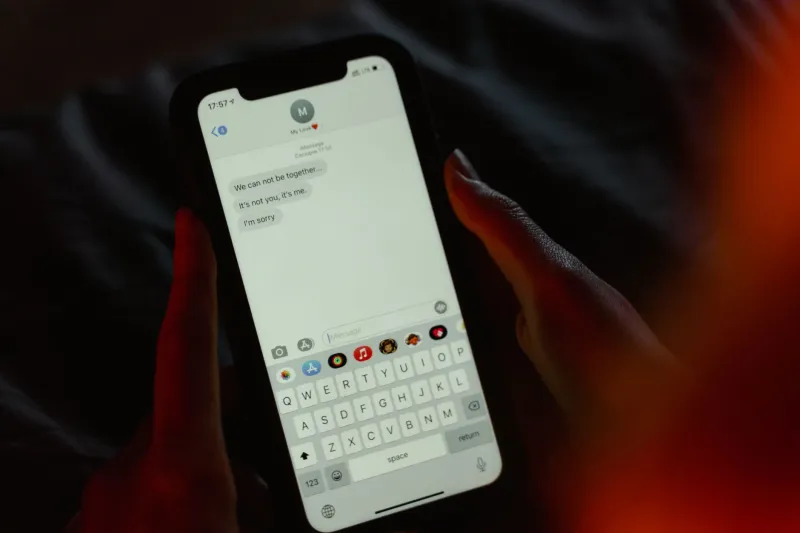
Grovel, Interrupted: The Apology Rule I Use to Make Heroes Earn Their Way Back

There’s a moment in every romance novel where the hero has to pay. Not with money—though a castle sale never hurts—but with the kind of apology that makes readers clutch their chest and whisper, finally. And then there’s the other kind: the apology that makes you want to Frisbee the book across the room and text your group chat, He did NOT just say that.
Welcome to the grovel gap. It’s the distance between the betrayal and the forgiveness, and it’s where third acts live or die. Too short, and the hero skates. Too long, and we start rooting for the heroine to take up with the witty bartender instead. Just right? That’s the stuff that keeps us up past midnight, highlighting whole paragraphs on our phones.
The Grovel Gap, Defined
Think of it as emotional math. On one side: whatever he did. On the other: what he’s willing to do about it. The gap closes when the apology costs something—not just a grand gesture, but a genuine shift. A hero who sells his company to win her back is great, but if he’s still the same guy who didn’t listen in chapter twelve, I’m not buying it. Readers aren’t either.
I’ve written my share of grovels. Some landed. Some needed a rewrite. And after years of watching readers react—sometimes in my DMs, sometimes in reviews that made me laugh out loud—I’ve developed a totally unscientific scale.
My Grovel Confessional
Let’s talk about Midnight on Magnolia (no, you can’t read it yet—it’s in edits). My hero, Jack, spends three chapters being a gorgeous idiot. When he finally apologizes, he doesn’t lead with I’m sorry you felt that way. He leads with the exact moment he screwed up, quotes her own words back to her, and then—crucially—does something he’s never done before: he waits. No interrupting. No justifying. Just listening while she tells him exactly how it felt. That scene took me six drafts. The first five were too easy on him. My editor’s note: Make him sweat.
Then there’s The Long Way to Larkspur, where my heroine gets a grovel that involves a small-town diner, a burned batch of pancakes, and a hero who admits he’s been terrified of being ordinary. That one gets a lot of love, but I’ll be honest—I almost cut it. I thought it was too quiet. Turns out quiet can land harder than a grand gesture when it’s specific.
The Totally Unscientific Grovel Scale
I rank apologies the way I rank coffee shops: by how they make me feel at 7 a.m. Here’s the spectrum, from worst to best.
One Text and a Coffee
“Sorry. Coffee?”
Look, it works if the offense was tiny—he forgot your birthday, not your name. But readers want more for a real wound. This level earns a raised eyebrow and a very slow sip.
The Speech With a Side of Self-Awareness
He shows up at her door, says the right things, and admits he was wrong without a but. Solid. Respectable. Might even get a kiss. But if he doesn’t change anything, it’s just words in a nice jacket.
The Castle-Selling Grand Gesture
Expensive. Dramatic. Great for a trailer. But if he sells the castle and then returns to his old habits, we’re back to square one. This is the grovel equivalent of a bouquet of roses after a fight—pretty, but not a solution.
Publicly Wrong, Privately Changed
The gold standard. He admits it in front of the people he was trying to impress, and then he does the quiet work—therapy, a hard conversation, a habit broken. He doesn’t just say I’ll do better; he shows up in a scene where doing better is inconvenient. That’s the grovel that makes me close the book and stare at the ceiling for a minute.
The One Rule I Never Break
Here it is: The apology has to name the exact wound, and the change has to show up in a scene where he gets no credit for it.
That’s it. That’s the rule. No vague I was a jerk. No I’m sorry if you were hurt. He has to say the thing—the specific thing—and then he has to prove it when there’s no audience, no reward, and no guarantee she’ll take him back. That’s how you close the grovel gap. Not with a longer apology, but with a braver one.
What Readers Told Me
I ran an informal poll in my reader group last month (very scientific—I asked in all caps). The responses were delicious. One reader said she needs at least two chapters of suffering. Another said one good sentence is enough if the hero’s hands are shaking. A third said, and I quote, “If he doesn’t cry, I don’t care.”
So there’s no universal formula. But the through line was clear: readers don’t want the hero to suffer forever. They want him to suffer specifically. They want him to prove he finally sees her—not just that he misses her.
Your Turn
Where do you draw the grovel line? One text and a coffee, or publicly wrong and privately changed? I’m taking notes for my next book. And yes, the hero will sweat. He always does.