Confetti of a Real Life: The Things Readers Tuck Inside My Books
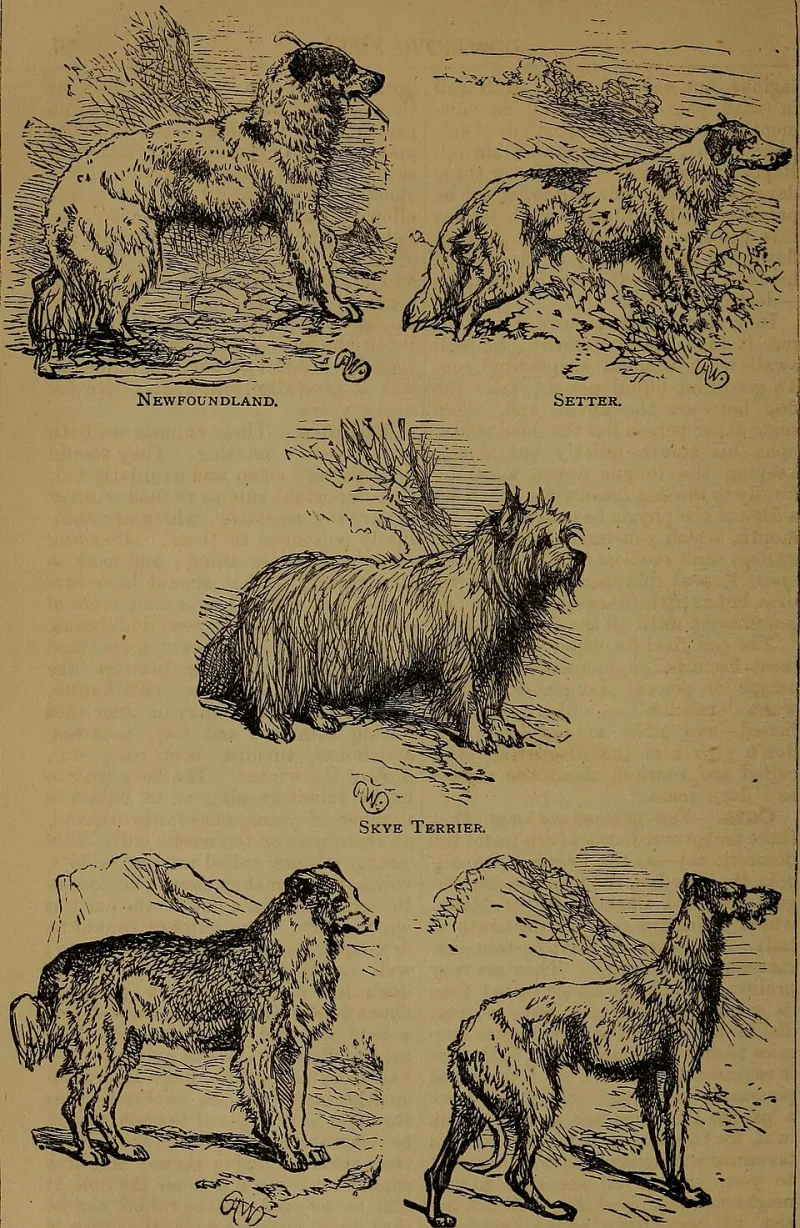
Photo: Hamilton, Alexander VanCortland, 1914-, No restrictions, via Wikimedia Commons
I have a shoebox in my office that I never meant to keep.
It started as a lost-and-found. A boarding pass here, a bookmark there. Then a reader at a signing in Columbus handed me a paperback and said, 'You’ll want to look inside.' I did. Between chapters seven and eight was a CVS receipt, folded into a square the size of a matchbook.
That was six years ago. The shoebox has since become a small museum of readers’ real lives. Not the lives they post about—the ordinary, gorgeous, uncurated ones. The ones with grocery lists and expired coupons and picked-at cuticles.
The Shoebox I Didn’t Plan to Keep
I should say this up front: I don’t ask for this stuff. It arrives. Readers tuck things into signed copies and borrowed paperbacks and library donations, then send me photographs with captions like 'found this in my late mom’s copy of your book' or 'is this yours? It’s not mine.' I keep the ones people give me permission to keep. I return the rest. I never photograph a name, a phone number, or anything that feels like a diary entry with a barcode.
What’s in the box? A Metro-North ticket from a commuter who read the whole book between Grand Central and Poughkeepsie. A grocery list that reads, in blue ballpoint: 'whipped cream, batteries, birthday card for Mom, dog food (the pink kind).' A pressed gardenia so old it’s the color of weak tea. A child’s drawing of a woman with a crown and a book. A Blockbuster card (genuine history, that one). A fortune cookie slip that says 'You will travel far.' And a receipt from a Target in Ohio dated March 14, 2026.
That last one is why I’m writing this.
What the Receipts Say (Literally)
The March receipt is not romantic on its face. It’s a drugstore run: two toothbrushes, a pint of mint chocolate chip ice cream, a box of thank-you cards, travel-size ibuprofen, and a birthday card with a cartoon dog on it. Total: $27.83. The reader who sent it—she asked to stay anonymous, so let’s call her J.—wrote me a note on a sticky pad: 'I was reading your book on my lunch break and this fell out. I don’t know if it means anything. It feels like it should.'
Here’s what it meant to me: two toothbrushes.
Not one. Two. Someone bought a second toothbrush before there was a reason to. That is a whole story in a CVS bag. It’s hope with a receipt. It’s the exact moment before a person admits they want someone to stay over.
I’ve been drafting a book—let’s call it the Next One—and there’s a hero who is bad at saying things. He’s a contractor. He shows up with a bag of groceries and a toothbrush still in the plastic, and he puts it in the medicine cabinet without a word. I had written that scene in a vague, hand-wavy way for months. Then J.’s receipt arrived. Now the toothbrush has a brand. It has a color. It has the specific shame of buying a two-pack when you only need one. The scene works because the receipt told me the truth: desire is often a drugstore errand.
The Grocery List That Broke My Heart a Little
The list with the pink dog food is my favorite. It’s a list written by someone who is tired. The handwriting gets sloppier toward the bottom. 'Whipped cream' is first, which is either a dessert plan or a small private joy. 'Batteries' is second, which is neither. 'Birthday card for Mom' is underlined twice.
I don’t know this reader. I don’t know if Mom is alive. I don’t know if the dog is a chihuahua or a Great Dane. But I know the shape of that Tuesday. I know the way you write a list when you’re trying to hold a week together with a pen. That’s what I steal—not the details, the shape. The way a person who is running on empty still remembers the card.
Why Readers Leave Clues (A Theory)
We read with our real lives pressed against the page. That’s not a metaphor. Your phone buzzes. Your kid needs a snack. You’re on a train. You’re in a waiting room. You’re hiding in the bathroom. The book becomes a container for the moment you read it, and sometimes the moment leaves evidence.
A receipt is a diary entry without sentences. A grocery list is a mood ring. A train ticket is a timestamp. A pressed flower is a decision: I was here, and this mattered enough to flatten.
What I Do With Them
I used to think of these objects as accidental bookmarks. Now I think of them as fan mail with no words. When a reader sends me a photo, I write back and ask two questions: Do you want it back? Can I tell people about it? If the answer is no to either, it goes in the shredder or back in the mail. (I am very serious about the shredder. Some things are not mine.)
If the answer is yes, the object goes in the shoebox. The emotional logic goes in a notebook. I don’t use names. I don’t use real towns. I use the toothbrush. I use the underlined birthday card. I use the way a receipt folds down to a square.
Send Me Your Leftovers
So this is me, officially asking: what’s in your book?
A pizza receipt? A leaf? A phone number you never called? A list for a party you didn’t end up having? If you’ve ever used a CVS receipt as a bookmark, you’re my people. If you’ve ever found a stranger’s grocery list in a used paperback and felt weirdly tender about it, same.
Send me a photo. Tell me what book it was in. Tell me if you want it back. I’m collecting for the shoebox—and for the Next One. The toothbrush is already in Chapter Nine. I have J. and a $27.83 receipt to thank for that.