She Was 'Too Much' — And That's Exactly Why I Wrote Her Anyway
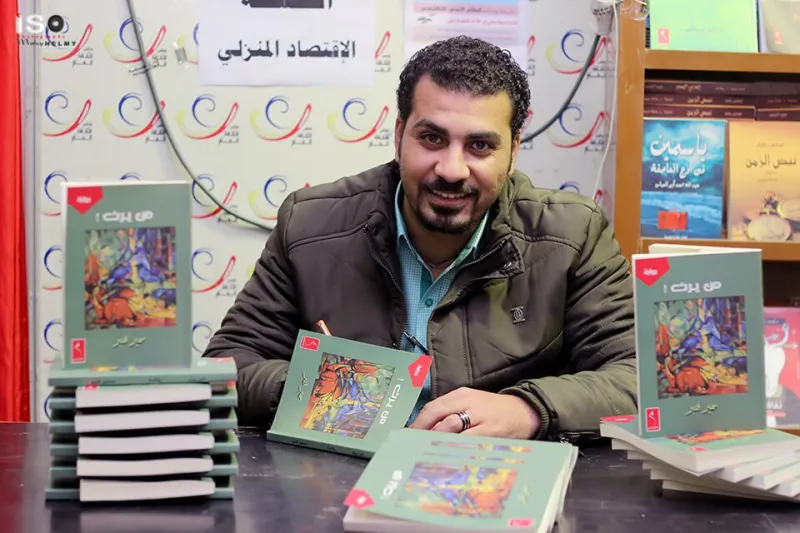
Photo: Mo-yo-om, CC BY-SA 4.0, via Wikimedia Commons
Pour yourself something warm (or something with a kick — I don't judge) and settle in, because today I'm pulling back the curtain on a character who nearly didn't survive her own book.
The Heroine Nobody Asked For
When I first drafted her, my heroine was everything romance was supposedly 'moving past.' She was blunt. She made terrible decisions with her whole chest. She wanted the hero, but she wanted her career more, and she said so — out loud, repeatedly, without a single apology.
My critique partner's feedback came back with a note in the margin that still haunts me: 'Readers won't like her.'
Ouch. But here's the thing about that little sentence — it lit a fire under me. Because who decided that? And more importantly, why do we assume readers only fall in love with women who are soft, agreeable, and conveniently wounded in ways a hero can fix?
Three Rounds of 'Tone Her Down'
The editorial process was a dance. Round one: could she be warmer? Round two: could she soften toward the hero a little faster? Round three: a genuine, thoughtful conversation about whether her ambition read as cold or as conviction.
I want to be clear — my editor wasn't a villain in this story. She was protecting the book, and she was right about some things. But every single revision note circled back to one unspoken rule: a heroine can be strong, as long as her strength doesn't make anyone uncomfortable.
I negotiated. I compromised on pacing (fair) but dug in my heels on the rest. She keeps her sharp tongue. She keeps the scene in chapter fourteen that made one early reader literally email me the words 'I gasped out loud on an airplane.' She keeps the ending she chose for herself, not the one handed to her.
Then the Letters Started Arriving
Here's what nobody warned me about: the mail.
Some letters were, shall we say, spirited. Readers told me she was unlikable, ungrateful, and — my personal favorite — 'a bad role model.' One person suggested she didn't deserve her happily ever after at all.
But then came the other letters. The nurse who said she'd never seen herself on the page until this book. The woman who bought a copy for her daughter with a sticky note that read, 'Be more like her.' The reader who wrote, simply, 'She made me brave.'
I keep those in a shoebox in my office. On the hard writing days, I open it.
So, Was She Worth It?
Honestly? I don't know that I'd have the nerve to write her the same way today. The market shifts, the algorithms whisper, and it's easy to sand down every sharp edge until your heroine fits neatly into a category.
But the letters tell me something the revision notes never could: the readers who needed her found her. And that's the whole job, isn't it?
So now it's your turn, darlings. Do you want your heroines comfortable or unforgettable? Have you ever DNF'd a book because the heroine was 'too much' — or loved a book because of it? Drop your thoughts in the comments. I read every one, and yes, I'm fully prepared to be roasted.
Next time on Behind the Scenes: the hero who made my editor cry. (Happy tears. Mostly.)